← All comparisons
Solar panels for your EV

VW ID.4 vs Skoda Enyaq

Platform-mates, compared on solar sizing

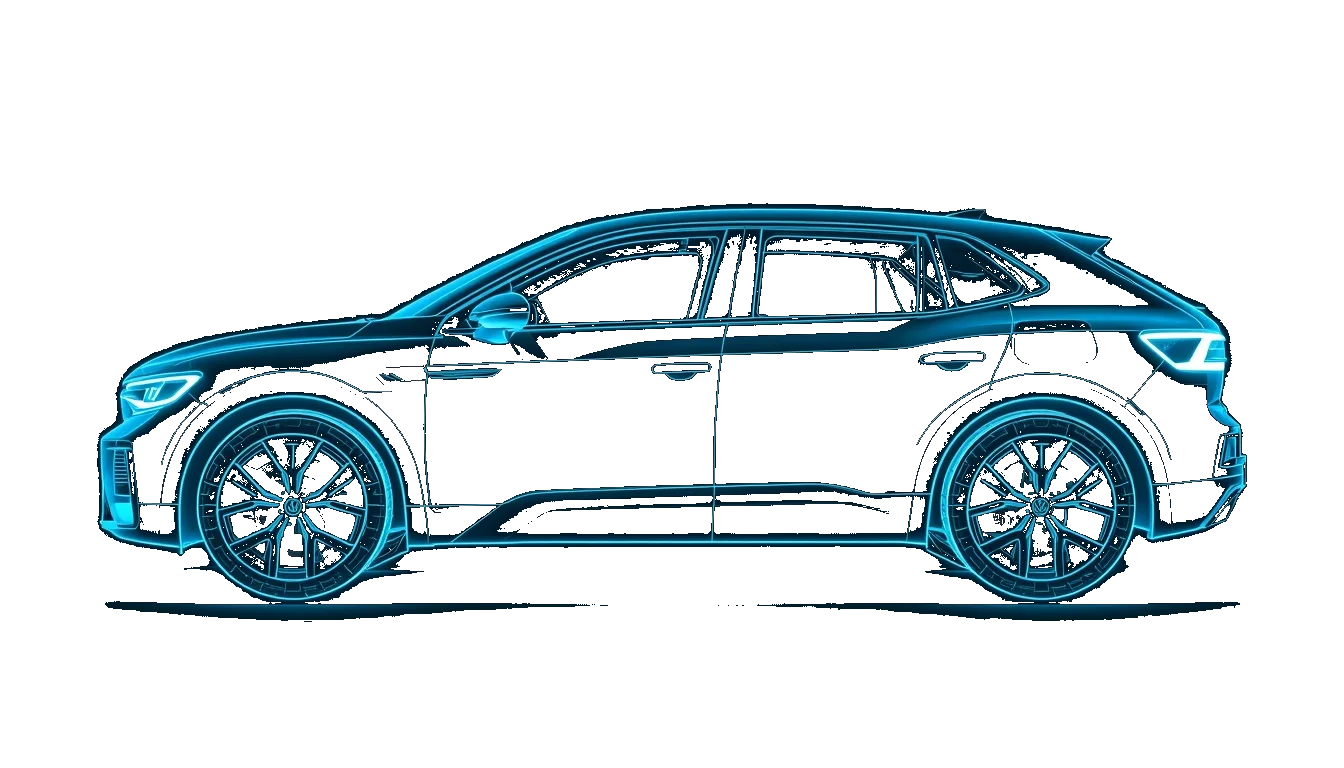
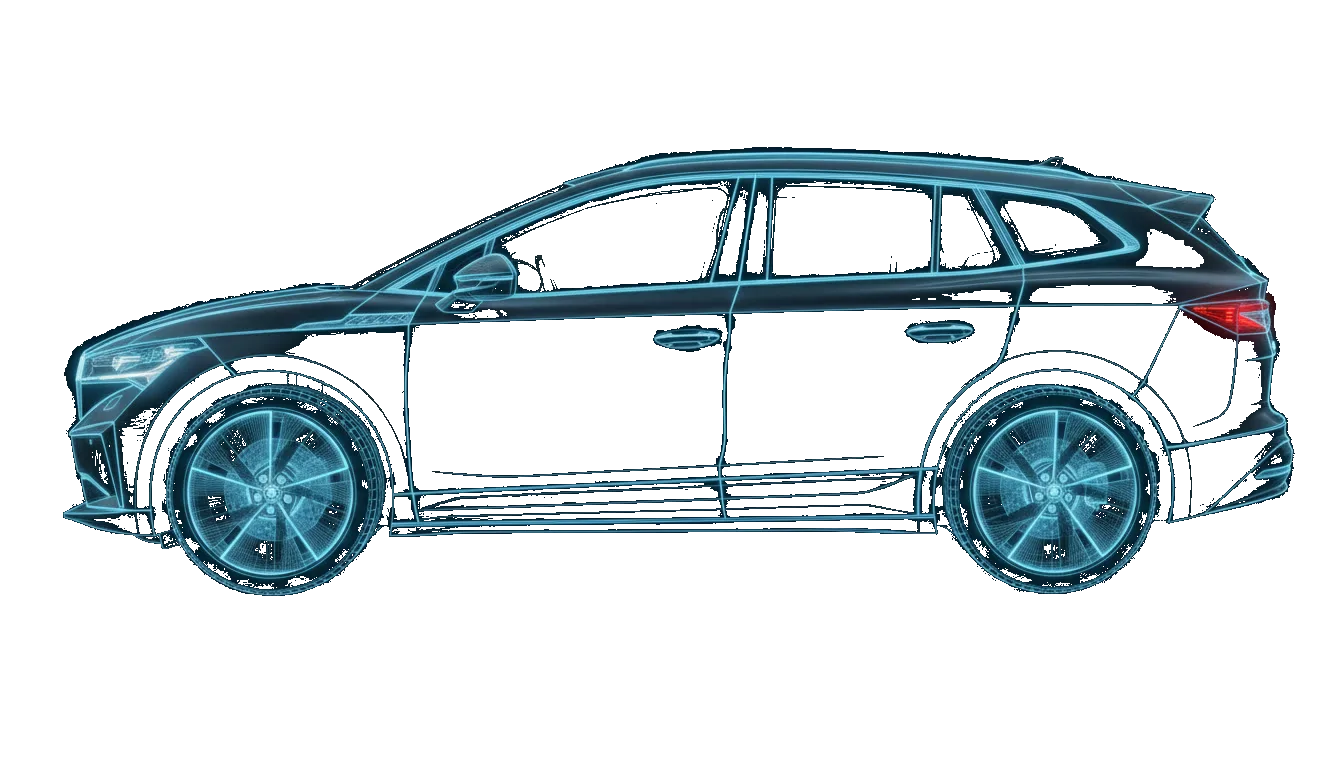
The ID.4 Pro and the Enyaq 85 share the same VW Group MEB platform, but they're not identical under the hood. The Enyaq's slightly bigger 82 kWh battery and better 15.5 kWh/100km consumption edge out the ID.4's 77 kWh pack at 16.8 kWh/100km — a gap that shows up directly in solar system size.

ID.4
5.7yr payback
Enyaq
5.8yr payback
Panels Needed
ID.47Enyaq6✓ WINS
Payback Period
ID.45.7 yr✓ WINSEnyaq5.8 yr
Annual Savings
ID.4€682Enyaq€584
CO2 Saved / Year
ID.41.2 tEnyaq1.0 t
Verdict

ID.4 and Enyaq are evenly matched here — check the metrics below for the trade-off that matters most to you.

Personalize this comparison

Enter your address and driving habits — the results above update with real solar data.

Roof Surface Area65
Annual Driving Distance

Common Questions

Your questions,
answered.

The Enyaq is somewhat more efficient than the ID.4 (15.5 vs 16.8 kWh/100km) despite sharing the same platform, so it typically needs slightly fewer panels for the same annual driving distance.

Shared underpinnings don't guarantee identical efficiency — motor tuning, weight, aerodynamics, and gearing all affect real-world kWh/100km, which is what actually determines solar panel count, not the platform itself.

Slightly — its better efficiency and larger battery translate into marginally lower annual solar-charging cost for the same mileage, though the difference between these two is smaller than in cross-brand comparisons.

Solar panels for EV charging in GermanySolar Panels for EV Charging in Germany: Zero VAT, Low Feed-in, and Why Self-Consumption Is EverythingGermany has Europe's highest electricity prices and historic low feed-in tariffs — a combination that makes EV self-consumption the single most important solar decision you can make.Read the full guide

More comparisons